March 30, 2026
The art and science of maintaining trees in a landscape is a year-round commitment. Knowing when to perform specific tree services can significantly impact the health and aesthetics of your landscape. This article delves into how timing plays a crucial role in ensuring your trees thrive through the seasons. Seasonal changes dictate the growth patterns and needs of trees, making timing a crucial factor.
Understanding Seasonal Growth Patterns
Spring: Emergence of New Growth
Spring is a season of renewal, marking the onset of budding and flowering. As temperatures rise, trees come out of dormancy and start to produce new shoots. During this period, it's essential to inspect for pests that may hinder the new growth. Trees in their early stages, especially those under five years old, benefit from a spring pruning, according to The Spruce.
Pruning in spring helps shape the tree and remove any limbs damaged over winter. The cutting of dead or diseased wood reduces the risk of pest infestation and disease transmission. The balance of pruning supports healthy branch development and enhances overall tree structure.
Summer: Peak Growth and Maintenance
Summer is a season where vigorous tree growth is apparent, and maintenance activities are at their peak. Every branch, leaf, and blossom benefits from increased sunlight, but care must be taken to continue to receive adequate nutrients and hydration. During this high-growth season, issues such as overcrowding can occur, necessitating corrective pruning. Pruning during summer is less about structural changes and more about ensuring light penetration and air circulation.
Watering becomes a primary concern in the summer months. The heat and extended daylight hours can lead to rapid evaporation, stressing trees and making consistent irrigation critical. Mulching is a highly effective strategy to retain soil moisture, regulate soil temperatures, and suppress weed growth.
Fall: Preparing for Dormancy
Fall marks a transitional phase where trees begin to slow down in preparation for the colder months ahead. Although growth slows, this period is critical for laying the groundwork for the tree’s continued health during dormancy. Tree services, such as root fertilization, can benefit the tree as it readies itself for winter. Initiatives during this time also help reinforce trees against the environmental stresses they might face.
Fallen leaves blanket the ground, providing natural mulch but also potential breeding grounds for pests and diseases if not managed. Regular leaf cleanup helps prevent the spread of fungal diseases and keeps the landscape tidy. Guiding trees into dormancy involves reducing watering while making sure soil nutrient levels remain adequate.
Winter: Dormant Pruning Benefits
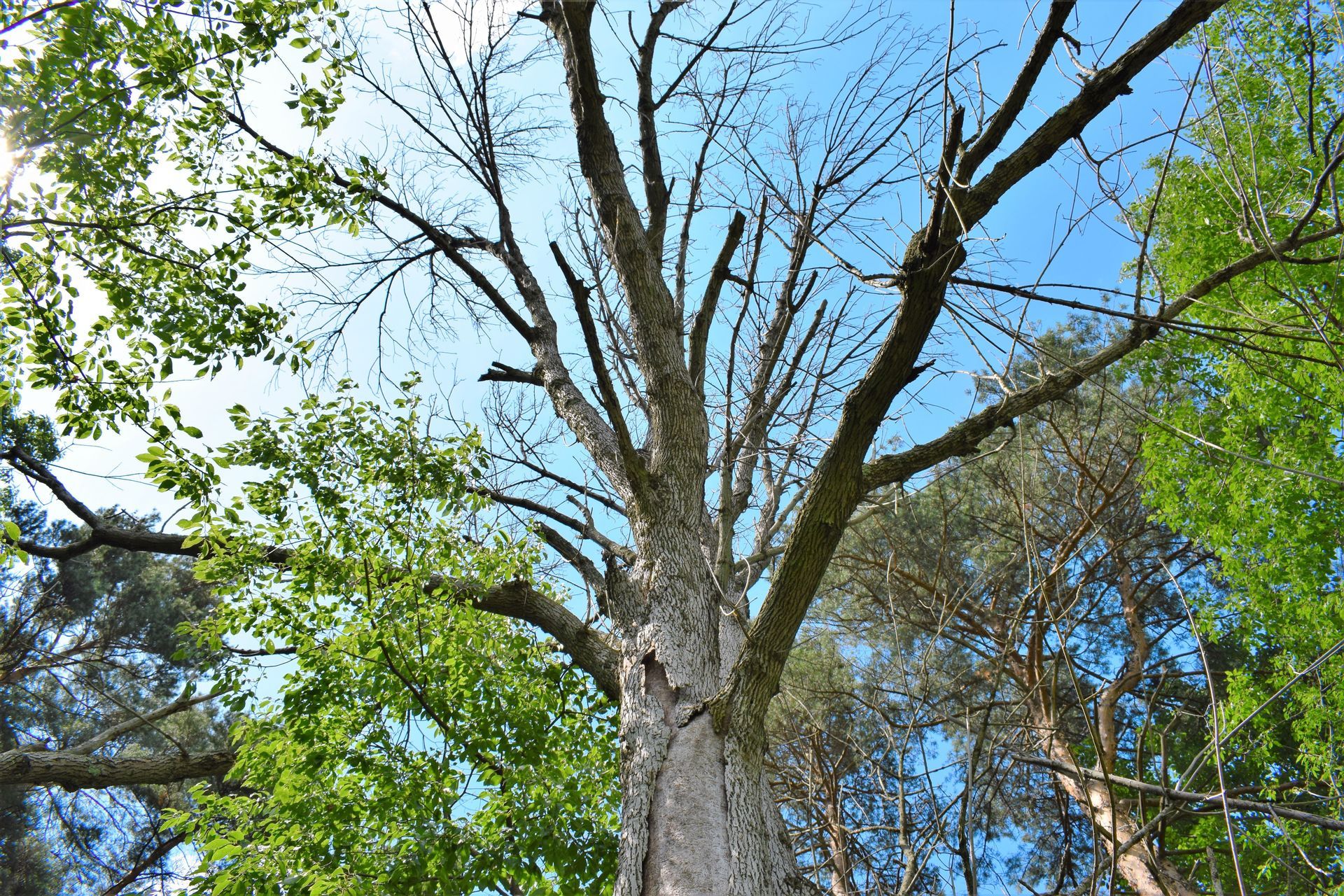
Winter is the prime season for dormant pruning, a practice with multiple benefits for the health and structural integrity of trees. During winter, trees are bare, allowing a clearer view of their structure and making it easier to address damaged or crossed branches. The absence of leaves also reduces the risk of disease spread. Dormant pruning is less stressful for trees, as they are not actively growing and thus recover more effectively.
Pruning mature trees, typically required every three to five years, can often best be carried out during the dormant winter months, aligning with best practices outlined by experts. The focus during winter is structural pruning, which involves removing any potential hazards and refining the tree’s framework.
Region-Specific Variations
Understanding regional variations and their effect on tree growth is central to effective seasonal tree management. Climatic conditions vary significantly, influencing the timing and type of care trees need. For instance, coastal and inland areas experience different temperature and humidity levels that affect when trees enter and exit dormancy.
Different tree species also respond uniquely to regional environmental cues. Native trees often align closely with local climates, requiring less intensive intervention compared to non-native species. Knowledge of these regional characteristics helps in planning season-specific interventions effectively.
Essential Tree Services for Each Season
Spring: Fertilization and Inspecting for Pests
Spring is an ideal time to bolster tree health through targeted fertilization. Fertilizer applications should be based on soil tests, ensuring that deficiencies are addressed while avoiding over-fertilization, which can harm plant health. Balancing nutrient enrichment with early pest inspections can stave off infestations that might threaten new growth.
As with fertilization, the timing of pest inspections in spring is a cornerstone of proactive tree care. Early identification of pests like aphids or caterpillars allows for timely interventions that can prevent widespread damage. Integrated Pest Management (IPM) offers a sustainable approach by combining cultural, mechanical, and biological controls.
Summer: Watering and Mulching
The arrival of summer signals increased water demands as trees experience peak growth and higher temperatures. Optimizing irrigation systems and schedules allows trees to receive adequate moisture without being waterlogged, which can lead to root rot. Mulching around the tree base helps retain soil moisture and safeguards against temperature extremes.
Summer's heat can exacerbate the stress experienced by trees, especially young ones under five years old, still establishing their root systems. Organic mulches like wood chips gradually release nutrients into the soil, fostering a conducive environment for root development.
Fall: Leaf Cleanup and Pre-Winter Care
Autumn is a season of preparation for winter and involves critical tasks like leaf cleanup. Beyond contributing to landscape tidiness, this cleanup aids in removing potential nesting sites for pests and pathogens. Removing fallen leaves should be performed promptly to deter undesirable conditions.
As trees prepare to enter dormancy, fall is a key time for applying protective measures. Autumn is also ideal for assessing trees for structural vulnerabilities that could be exacerbated by winter weather.
Winter: Structural Pruning and Pest Control
Winter is an optimal time for structural pruning, as it facilitates precise interventions and tree shaping while minimizing growth disruption. With leaves off, branches are exposed, allowing easy access for removing dead or dangerous limbs. This season's dormancy period is highly advantageous for such practices, as tissue recovery occurs more naturally without active growth distractions.
Additionally, winter tree services can be highly effective in managing overwintering pests. Utilizing dormant oils serves as a targeted control measure, smothering pests that tuck into crevices where they are least active.
Tailored Care: Evergreen vs. Deciduous Trees
The care of evergreen vs deciduous trees involves distinct practices tailored to their unique characteristics and lifecycle patterns. Evergreens maintain their foliage year-round, requiring more consistent maintenance across all seasons. Monitoring water levels is critical, especially in winter, as evergreens continue to lose moisture and sunlight affects photosynthesis.
Conversely, deciduous trees shed their leaves during fall and enter a dormant winter phase, differing in maintenance requirements. Their growth patterns demand timely interventions in both spring and fall to accommodate burgeoning and dying leaves, respectively.
Benefits of Timely Tree Services
Enhanced Tree Health and Longevity
Timely tree services significantly contribute to enhanced tree health and longevity by aligning care practices with natural growth cycles. By synchronizing fertilization, pruning, and pest management with seasonal rhythms, trees are better equipped to withstand environmental stressors. Proactive tree care also anticipates potential issues, minimizing intervention workloads and maximizing care efficacy.
Managing trees through season-appropriate techniques promotes balanced nutrient availability, allowing efficient energy use for growth and regeneration. Mature trees continue to receive managed care, allowing structural integrity and beauty as they age.
Improved Aesthetic Appeal
Arresting the influence of proper tree maintenance on a landscape's aesthetic appeal highlights its role in outdoor space beautification. From shapely evergreens to majestic deciduous spreads, the orderly arrangement elicits tranquility and charm within constructed environments. Each carefully orchestrated seasonal care step, from pruning to mulching, contributes to polished finishes and robust foliage displays.
Residents investing in family homes or curating luxurious estates appreciate the harmony that well-cared-for trees contribute to enhancing property curb appeal. Timely tree services orchestrate environments that encourage outdoor enjoyment, boosting property attractiveness and user satisfaction. Keep your trees healthy and your property safe; contact Paul’s Tree Service today for expert seasonal tree care and professional removal services.