July 1, 2026
Dead trees can create serious safety concerns for homeowners. Weak branches, structural instability, and hidden decay may increase the risk of property damage or injury if problems are left unaddressed. Recognizing the warning signs of tree decline and taking action when necessary can help protect both your home and your landscape through local tree removal.
Removing dead trees is an important part of property maintenance. Addressing hazardous trees before they fail can reduce risks, preserve surrounding landscaping, and improve overall safety. Understanding the dangers associated with dead trees helps homeowners make informed decisions about tree care and local tree removal.
Common Tree Risks
Prevent Structural Damage
Dead trees gradually lose their strength and stability. As decay progresses, branches may break unexpectedly, and entire trees can become vulnerable to collapse during storms or high winds. Trees located near homes, driveways, sheds, or utility lines can create significant safety concerns.
Over time, dead trees can create changing conditions around the property, especially when roots deteriorate or large limbs fall. These conditions may contribute to additional maintenance concerns near structures and landscaping. Removing hazardous trees before failure occurs can help reduce the risk of damage.
Reduce Pest Activity
Dead and decaying wood often attracts insects and other pests. Insects may use weakened trees as shelter, allowing populations to grow near homes and other structures. In some situations, pests associated with decaying wood may eventually spread to nearby wooden structures.
Regularly observing trees for signs of decline, bark damage, holes, or unusual activity can help identify problems before they become more serious. Addressing dead trees promptly can reduce the likelihood of pest-related concerns on the property. Local tree removal may also help reduce conditions that attract pests.
Minimize Fire Risks
Dead trees contain dry wood that can burn more easily than healthy trees. In areas that experience dry conditions, dead vegetation may contribute to fire risks, especially when trees are located near structures or utility equipment. Maintaining healthy landscapes can help reduce these concerns.
Maintaining properties by removing dead trees and reducing hazardous vegetation can support safer outdoor spaces. Homeowners may also benefit from keeping areas around buildings clear of fallen limbs and other combustible materials. Local tree removal can be one part of an overall property maintenance plan.
Protect Property Health
As trees decay, fungi and mold may develop on dead wood. While these organisms are a natural part of decomposition, excessive decay near outdoor living areas may create unpleasant conditions around the property. These issues may also affect the appearance of surrounding landscapes.
Dead trees can also affect nearby landscaping as branches fall and roots deteriorate. Removing damaged or declining trees helps maintain safer and more attractive outdoor spaces while preventing additional maintenance issues. Property owners often address these concerns before conditions worsen.
Avoid Liability Issues
Property owners are generally responsible for maintaining safe conditions on their property. Dead trees that cause damage to structures, vehicles, or neighboring property may create financial and legal concerns. Routine property maintenance can help reduce potential risks.
Monitoring trees and addressing hazardous conditions before problems occur can help reduce potential liabilities. Routine property maintenance plays an important role in protecting both homeowners and neighboring properties. Local tree removal may help property owners address dangerous conditions before damage occurs.
Early Warning Signs
Watch for Damage
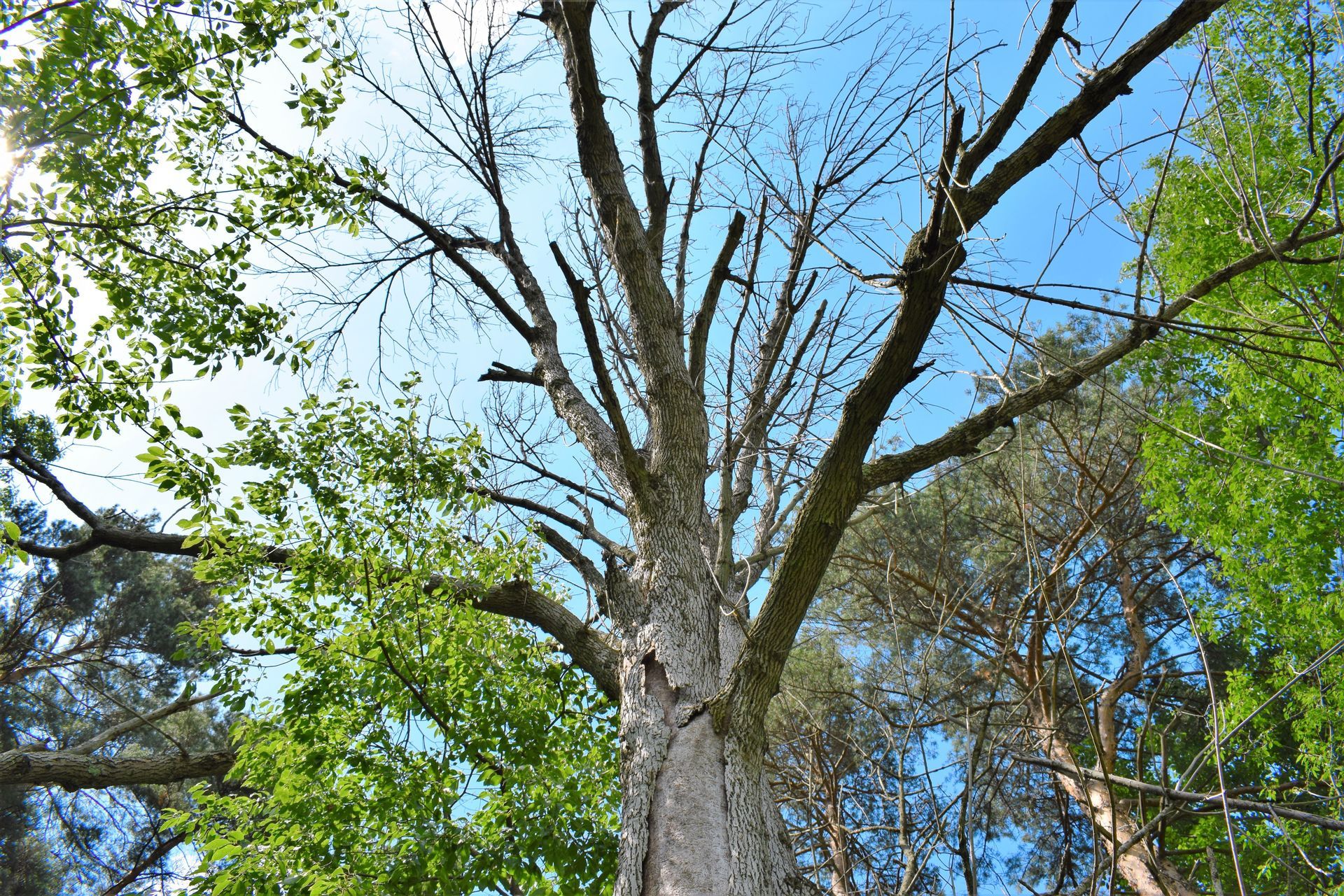
Several visible signs may indicate that a tree is declining or dead. Missing leaves during the growing season, peeling bark, large dead branches, and visible decay can all suggest underlying problems. Regular observation can help identify these concerns early.
Trees that lean significantly, drop branches frequently, or show extensive damage may require further evaluation. Regular inspections allow homeowners to identify concerns before trees become dangerous. According to the University of Maryland Extension, a tree should likely be removed if more than 50% of its root system is damaged.
Inspect Tree Conditions
Homeowners can often identify obvious signs of tree decline through routine observation. Brittle branches, hollow sections of the trunk, and visible cracks may indicate structural problems. These warning signs may become more noticeable over time.
When a tree appears unstable or has experienced storm damage, professional evaluation may help determine whether removal is necessary. Early identification allows problems to be addressed before conditions worsen. Timely action may help reduce safety concerns.
Monitor Seasonal Changes
Trees change throughout the year, and seasonal observations can provide valuable information about their health. Spring and summer reveal leaf growth and canopy condition; fall and winter often make structural problems easier to see. Monitoring changes during multiple seasons can provide a more complete picture.
Storms, heavy winds, drought, and changing weather conditions can also affect tree health. Monitoring trees throughout the year helps homeowners identify new hazards and respond appropriately. Seasonal inspections can support informed maintenance decisions.
Seek Professional Help
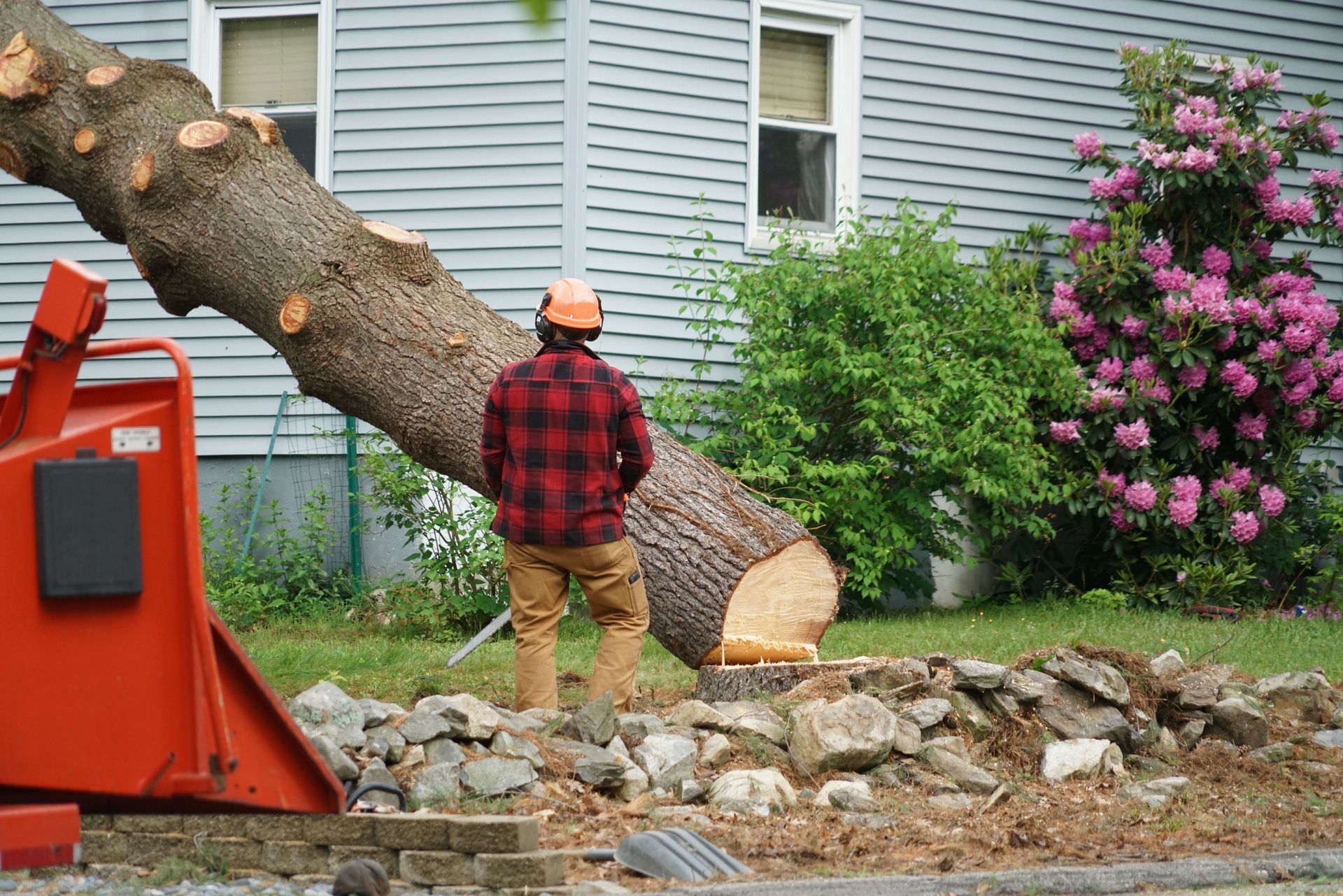
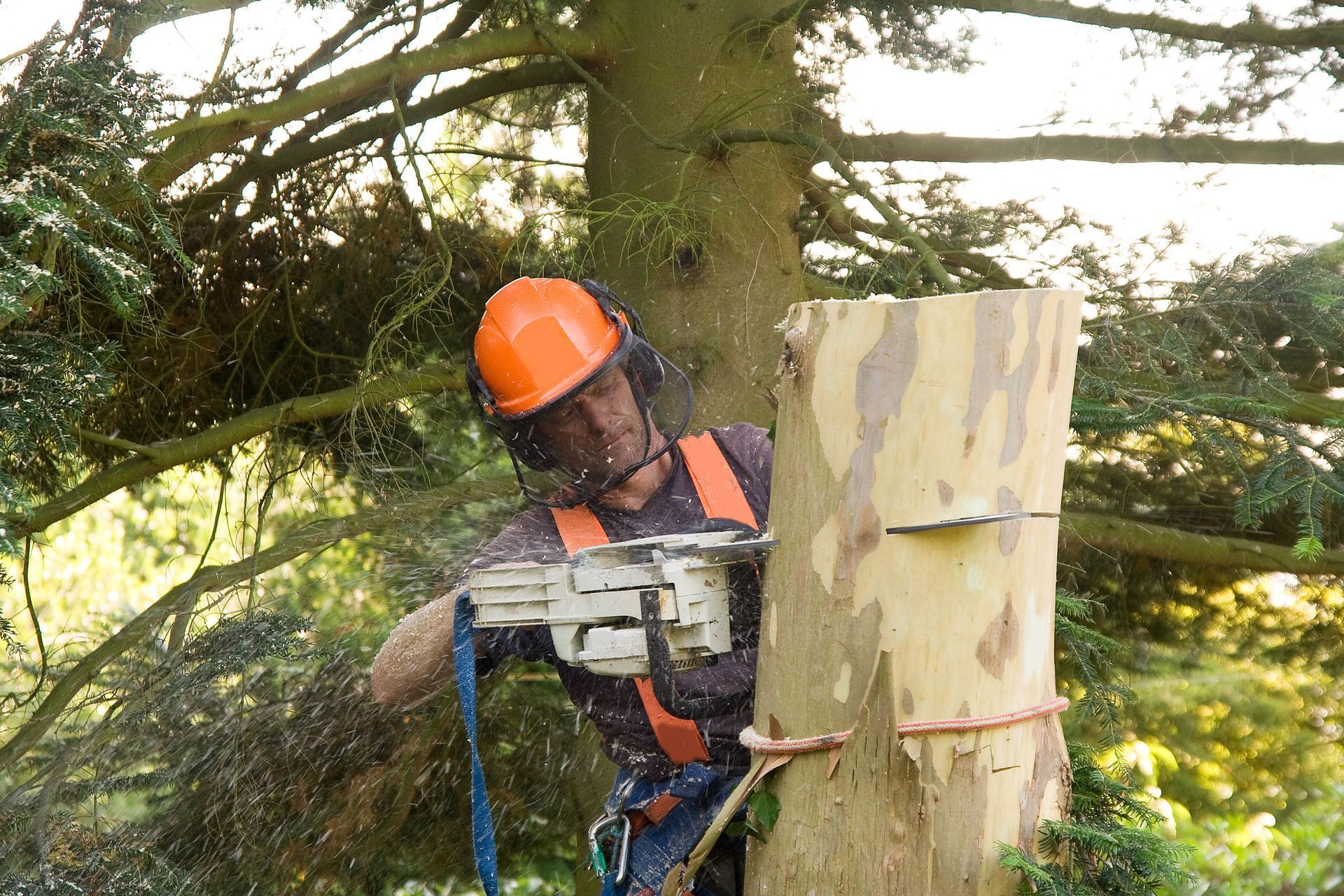
Large dead trees, storm-damaged trees, and trees located near homes or utility lines often require professional removal. Attempting to remove unstable trees without proper equipment can create additional safety concerns and increase the risk of property damage. Safety should remain a primary consideration.
Tree removal professionals can evaluate access points, identify potential hazards, and determine appropriate removal methods. Professional assistance is especially important after severe weather events or when trees threaten nearby structures. Local tree removal services can help address these situations safely.
Track Tree Conditions
Regular observation can help homeowners identify changes in tree condition before major problems develop. Dead branches, missing leaves, cracked limbs, and visible decay may indicate that a tree requires attention. Consistent monitoring helps identify concerns early.
Weather events can accelerate tree decline, particularly after storms or periods of drought. Monitoring trees after severe weather helps identify potential hazards before they become emergencies. Early action may help prevent additional property damage.
Professional Tree Services
Choose the Right Service
Homeowners may benefit from selecting a company with experience handling tree removals, storm damage, and large tree projects. Reviewing available services and discussing project needs beforehand can help ensure the work matches the property's requirements. Understanding available services can support informed decisions.
Safety planning, proper equipment, and clear communication are important considerations during any tree removal project. Understanding the scope of work can help property owners make informed decisions. Local tree removal providers may offer multiple services that address hazardous trees and related concerns.
Consider Project Costs
Several factors influence tree removal costs, including tree size, location, accessibility, and the complexity of the work. Trees located near structures or utility lines may require additional planning and equipment. Each property presents different circumstances that can affect the scope of work.
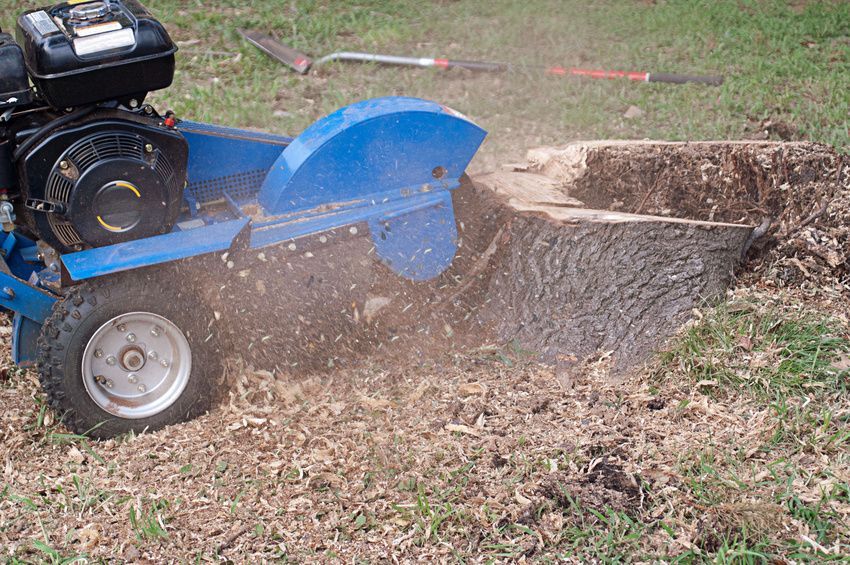
Additional services such as stump grinding or debris removal may also affect project costs. Understanding the full scope of work before the project begins can help homeowners plan accordingly. Clear communication can help prevent misunderstandings.
Review Local Regulations
Some communities may have regulations regarding tree removal. Requirements can vary depending on the location, tree species, or property conditions. Property owners may benefit from reviewing local requirements before scheduling work.
Homeowners may wish to review local requirements before scheduling tree removal projects, particularly if regulations apply to certain trees or protected areas. Understanding local guidelines can help prevent delays. Proper planning supports a smoother process.
Dead trees can create serious concerns for homeowners, from falling limbs to property damage and other safety risks. Identifying signs of decline and addressing potential hazards early can help preserve the condition of your property and outdoor spaces. To learn more about tree removal, stump grinding, land clearing, and emergency tree services, homeowners can turn to Paul's Tree Service for additional information about available solutions.