September 30, 2026
Trees can provide shade, improve the appearance of a property and contribute to local ecosystems, but maintaining them safely requires specialized knowledge. Pruning, removal, storm cleanup and other tree care tasks can involve significant hazards, particularly when work involves heights, heavy branches, electrical lines or specialized equipment. For property owners, choosing a reliable tree service professional means looking beyond availability and price. Qualifications, safety practices, insurance coverage, reputation and equipment can all provide useful indications of whether a provider is prepared to perform the work responsibly.
A dependable professional should also be able to communicate clearly about the condition of a tree, the work being proposed and the risks involved. Understanding these qualities can help property owners compare providers and make informed decisions about tree care.
How Can You Identify Qualified Tree Service Professionals?
Qualifications can provide an important starting point when evaluating a tree service professional. Depending on the type of work being performed, relevant education, certifications and industry experience can demonstrate that an individual understands tree biology, pruning practices, equipment operation and common safety concerns. Property owners may want to ask about professional certifications and whether workers receive continuing education to keep their knowledge current.
Industry affiliations can also provide useful context. Membership in professional organizations may indicate that a company or individual stays informed about accepted practices and developments within arboriculture. However, an affiliation alone does not guarantee the quality of a particular service. It is still important to ask specific questions about experience with the type of work a property requires.
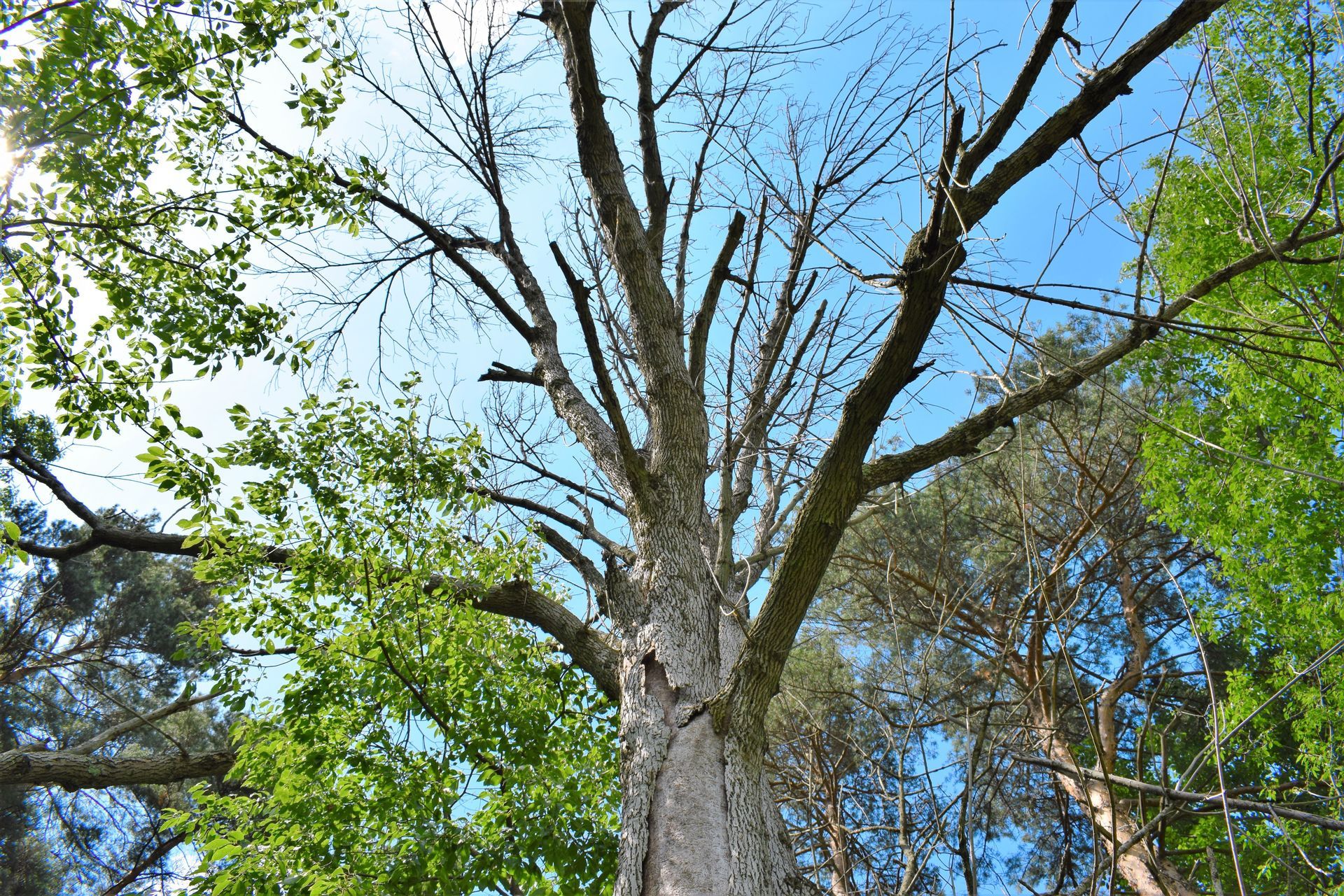
Experience can be especially valuable when dealing with mature, damaged or structurally compromised trees. A knowledgeable professional should be able to explain why particular work is recommended rather than simply providing a list of services. Clear explanations can help property owners understand the difference between necessary maintenance and optional work.
According to ZipRecruiter, as of May 25, 2026, the average annual pay for an arborist in the United States was $86,707. While compensation does not establish whether a particular professional is qualified, the figure reflects the specialized nature of arboriculture as a field requiring knowledge and practical skills.
What Are the Safety Standards for Tree Service Work?
Safety should be a central consideration whenever tree work is performed. Even relatively routine pruning can involve falling branches, sharp equipment, uneven terrain and elevated work areas. Tree removal can introduce additional hazards involving ropes, rigging, heavy limbs and nearby structures.
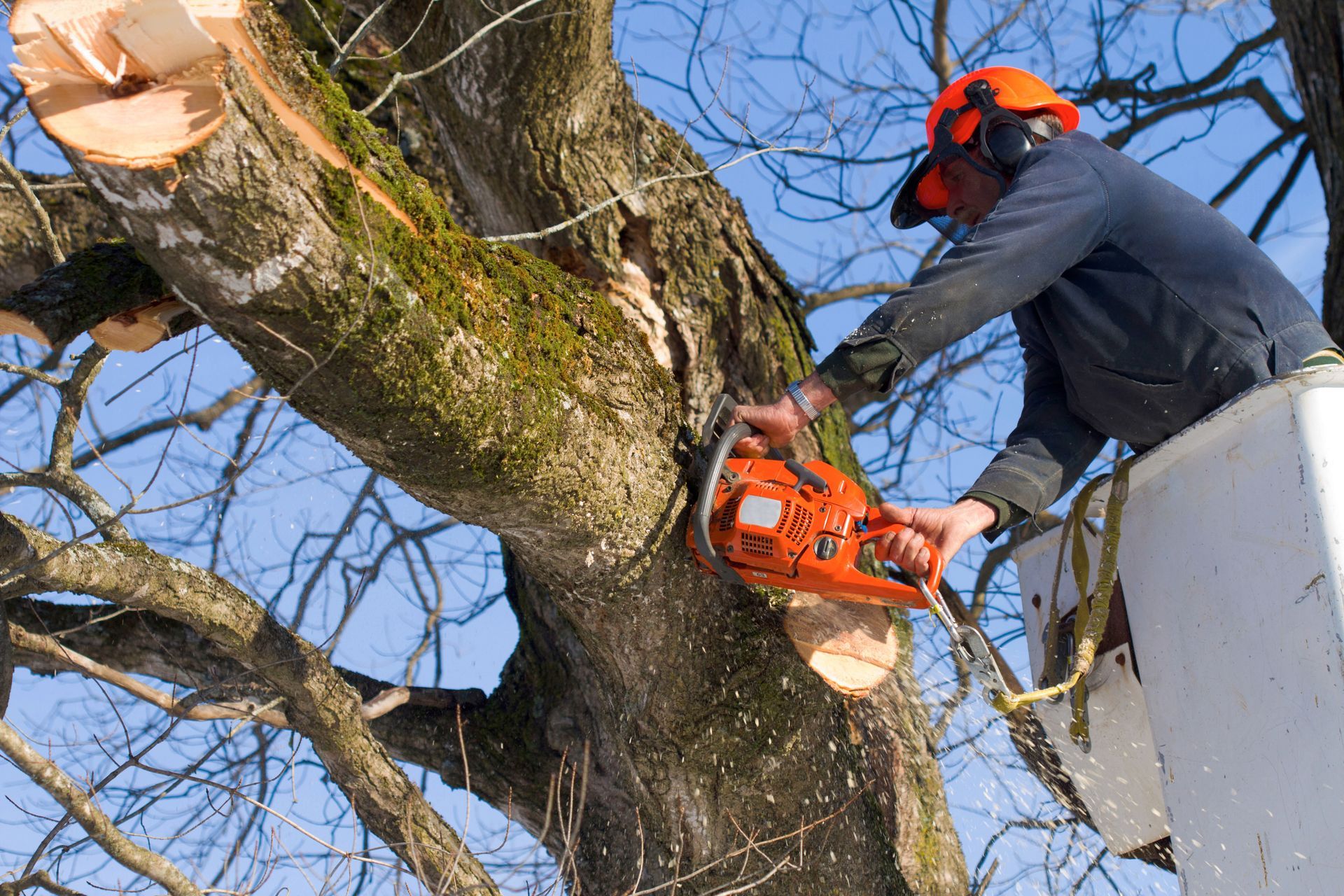
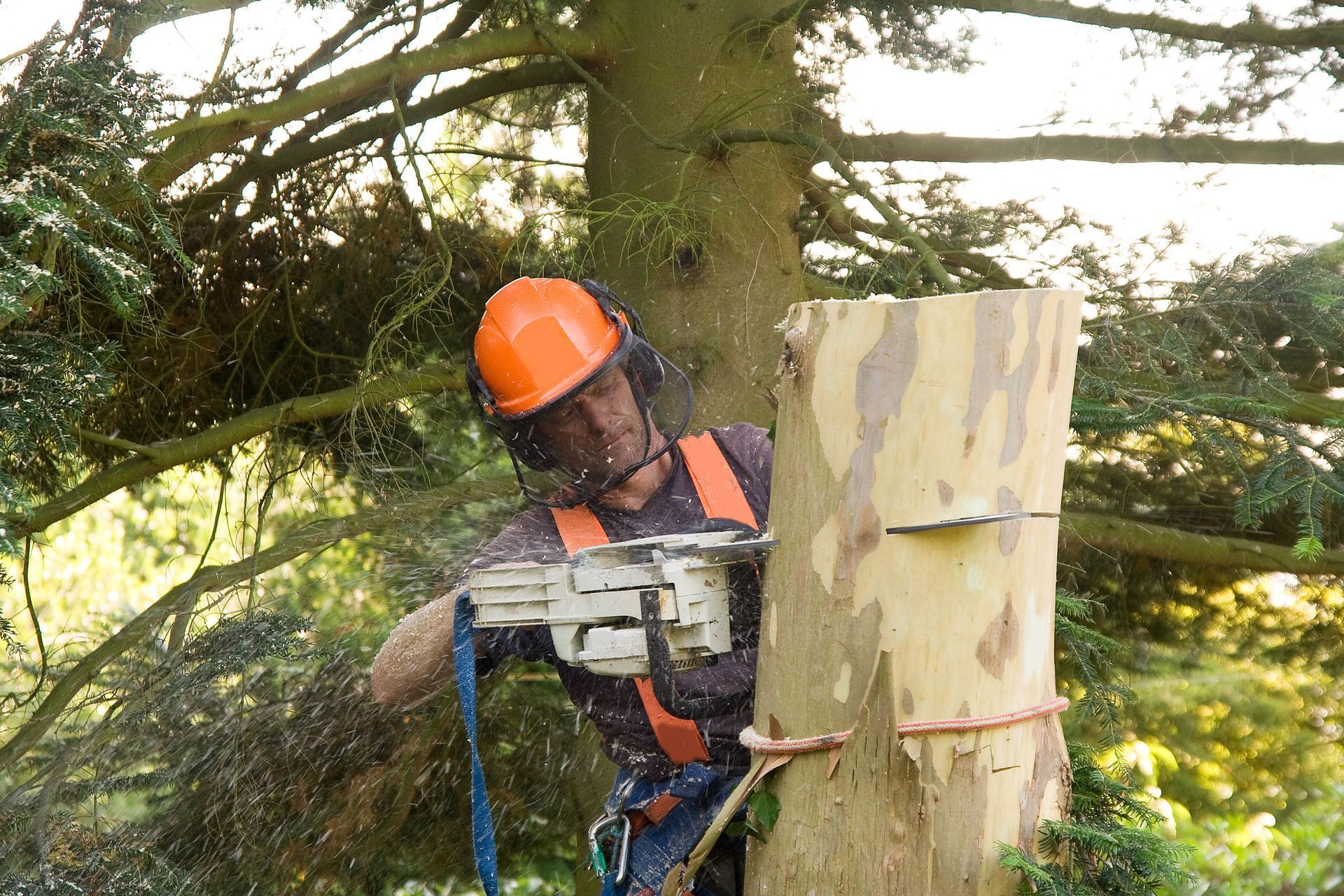
A reliable tree service professional should have established safety procedures rather than improvising from one job to another. Appropriate personal protective equipment may include helmets, eye and hearing protection, gloves, protective footwear and other equipment suited to the task. Workers operating chainsaws or climbing equipment should also have the training necessary to use that equipment properly.
Occupational Safety and Health Administration requirements can provide an additional framework for workplace safety. Property owners do not necessarily need to understand every applicable regulation, but they can ask prospective providers how they train employees and address hazards on job sites. A professional should be willing to explain basic safety precautions and identify potential risks before work begins.
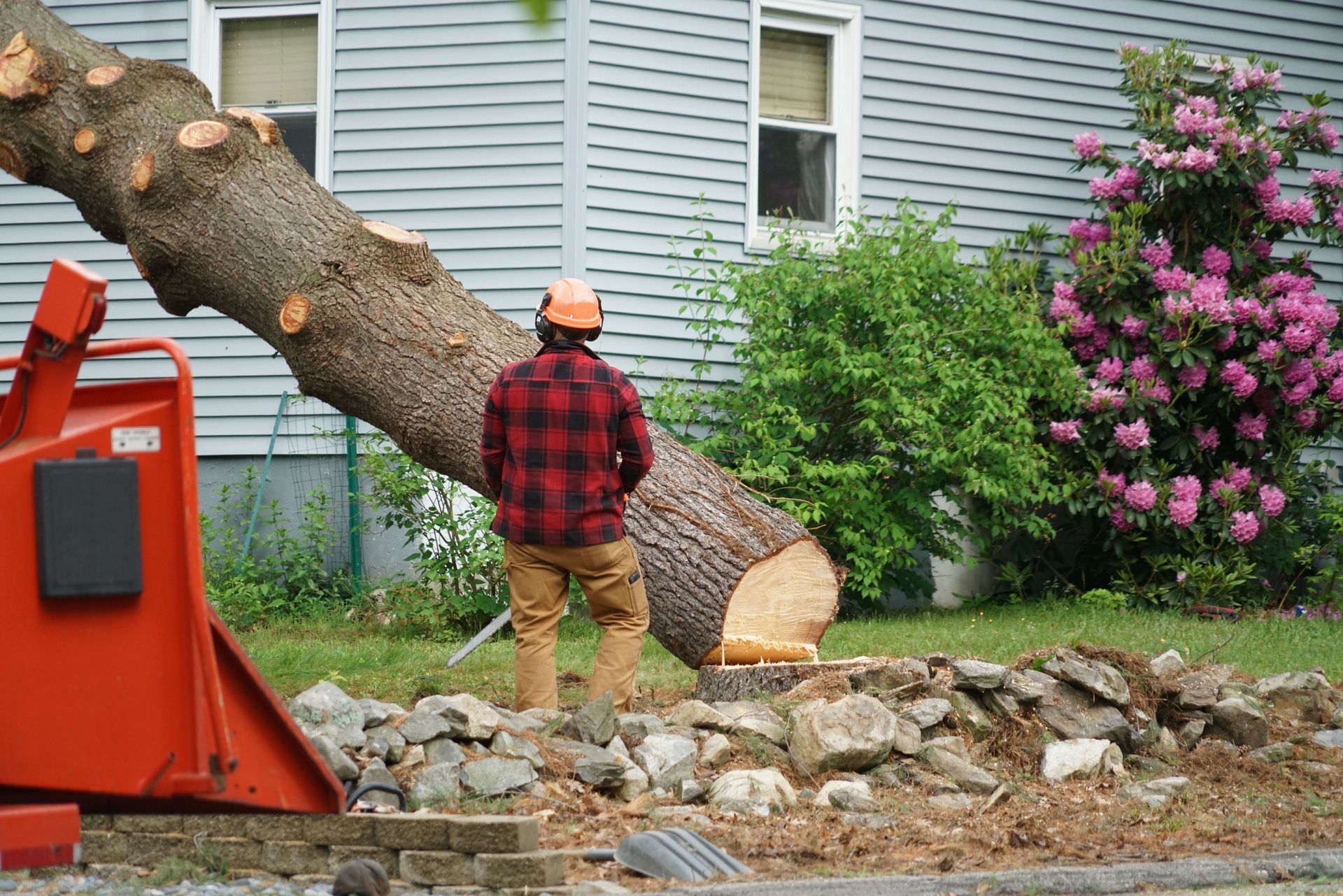
Site preparation is another important part of safe tree service work. Professionals may need to establish work zones, account for nearby structures, inspect access points and consider overhead utility lines. Good planning can reduce the likelihood of injuries and property damage while making the work more efficient.
Why Is Insurance Coverage Important for Tree Service Providers?
Insurance is another important factor when selecting a tree service provider. Tree work can involve substantial risks, and an accident could potentially result in injuries or property damage. Appropriate insurance coverage helps establish protections for both the company and the property owner.
Liability insurance can provide coverage for certain types of property damage or injuries associated with a company's operations, subject to the terms and limits of the policy. Workers' compensation coverage is also important when a company employs workers because it can address qualifying workplace injuries.
Property owners should not simply assume that a provider carries adequate insurance. They can ask for proof of current coverage and verify that the policy applies to the type of work being performed. Asking these questions before work begins can help avoid uncertainty if an accident occurs.
Insurance should also be considered alongside other qualifications. A company having coverage does not necessarily demonstrate that its workers have appropriate training or that it follows sound safety practices. Instead, insurance is one component of a broader evaluation of a tree service provider.
How Can You Determine the Reliability and Reputation of Providers?
A company's reputation can offer additional insight into what customers may experience. Online reviews can reveal patterns in communication, scheduling, workmanship and cleanup. However, individual reviews should be considered in context rather than treated as definitive evidence.
Property owners can look for recurring themes across multiple reviews. Consistent comments about clear communication and thorough cleanup may provide useful information, while repeated complaints about unexpected charges or unfinished work may warrant additional questions. Recent reviews can be particularly useful because business practices and personnel can change over time.
References can also help evaluate a tree service provider. When appropriate, prospective customers can ask whether the company has completed similar projects and whether references are available. Local community recommendations can provide another source of information, particularly when neighbors have recently had comparable work performed.
Communication during the estimate process is another useful indicator. A professional should be able to explain the proposed work, expected timeline, costs and potential complications. Estimates should clearly describe what is included, particularly when removal, stump grinding, hauling or cleanup are separate services.
What Tools and Technology Do Reliable Providers Use?
Professional equipment can make tree work safer and more efficient when it is properly maintained and operated. Depending on the project, a tree service company may use chainsaws, chippers, stump grinders, bucket trucks, climbing equipment and specialized rigging systems.
Technology can also support planning and documentation. Digital tree inventories, mapping tools and other software can help professionals track individual trees, record maintenance needs and organize larger properties. These tools are particularly useful for municipalities, commercial properties and property managers responsible for numerous trees.
The presence of sophisticated equipment should not be viewed as a substitute for skill. A company may own modern machinery but still lack the training or experience necessary to use it effectively. Conversely, experienced professionals may use relatively conventional equipment while still performing careful, technically sound work.
Equipment should also appear appropriate for the specific project. Using the right machinery can reduce unnecessary manual handling and improve control over branches and debris. Property owners can ask prospective providers what equipment they expect to use and why it is appropriate for the job.
Finding a reliable
tree service professional involves more than comparing prices. Qualifications and experience can help establish whether a provider understands the technical aspects of tree care, while safety practices demonstrate a commitment to managing job-site hazards. Insurance coverage provides another layer of protection, and reviews, references and clear communication can help property owners evaluate a company's reputation.
Modern equipment and technology can further improve efficiency when paired with appropriate training and sound judgment. By considering these factors together, property owners can make more informed choices about who they allow to perform work on their trees. A careful evaluation before hiring can help establish realistic expectations and support safer, more effective tree care. If you're looking to have a tree trimmed or removed, reach out to the team at Paul's Tree Service today!