October 30, 2026
When you look out into your yard and notice a massive oak leaning ominously toward your roof, your first thought is likely about the safety of your property. Soon after, however, your mind will naturally drift toward the potential expense of handling the situation. Managing the landscape around your home is a major responsibility, and occasionally, it demands bringing in trained professionals to mitigate risks and protect your environment. Bringing down a massive living organism is not a simple DIY project. It requires specialized equipment, rigorous safety protocols, and an experienced crew to execute perfectly. Consequently, you might wonder what exactly goes into calculating the final bill when you hire a reliable tree removal service to clear your property. The overall expense is never a flat rate because every single yard presents a completely unique puzzle to solve. Learning the elements that shape these estimates helps you budget realistically.
Evaluating the Size and Scope of the Job
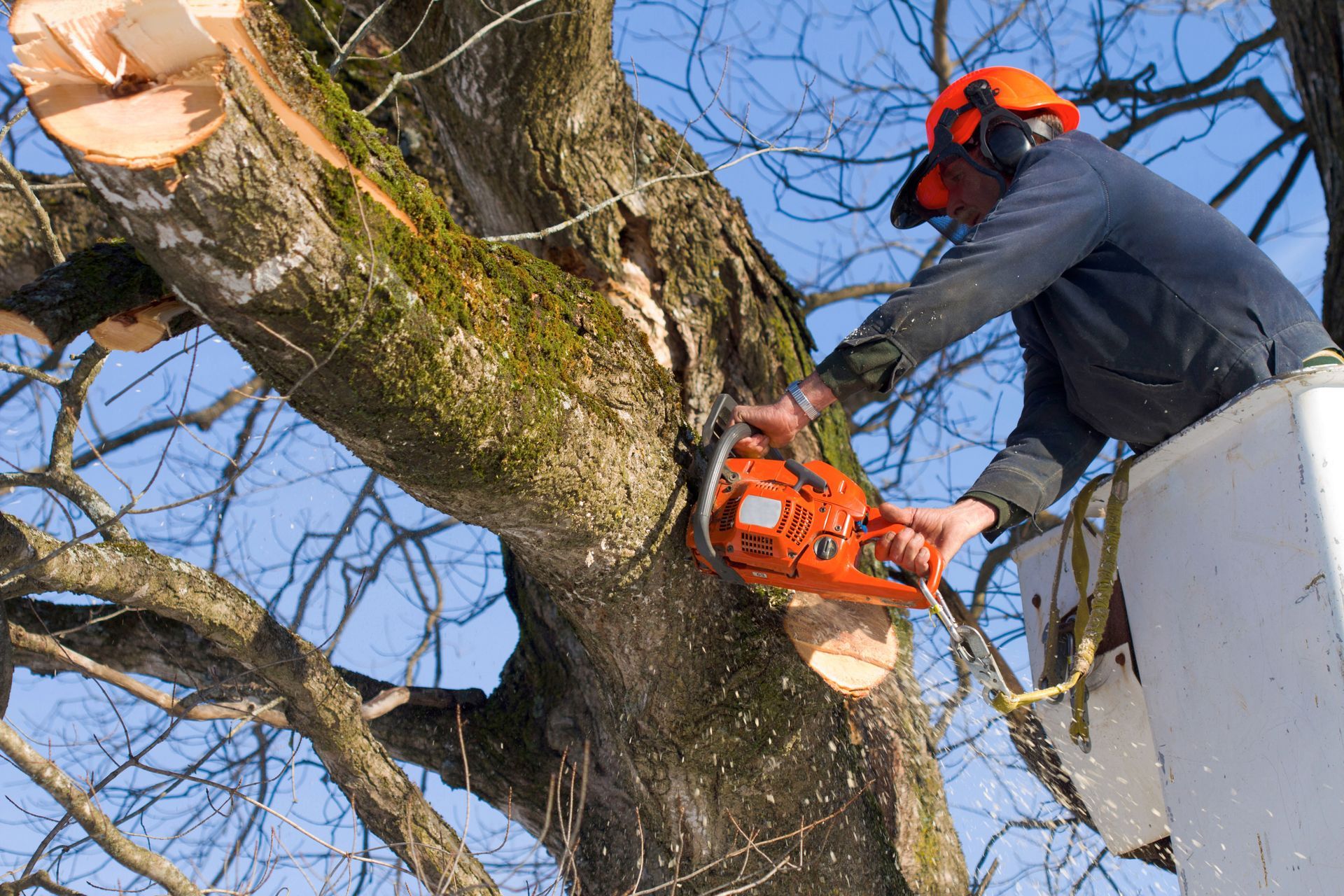
The most immediate and obvious factor that dictates the overall price of the project is the physical dimensions of what needs to come down. A towering pine presents different logistical hurdles compared to a small dogwood. When a tree reaches significant heights, the crew must employ heavy machinery, cranes, or specialized climbing gear to dismantle it from the top down. This process is meticulous, requiring the team to carefully lower individual sections to the ground to prevent any collateral damage. Naturally, this extended time and specialized equipment will drive the estimate upward. The diameter of the trunk also plays a significant role in the physical labor required. A wide, robust trunk takes considerably more effort to cut through and maneuver once it is down. Every additional hour spent on site by the crew adds to the final total. When you contact a professional tree removal service for an estimate, their first step will be to measure these dimensions precisely. They have to account for the sheer volume of wood that must be cut, handled, and eventually transported away from your property. A massive footprint means a much larger undertaking, which is directly reflected in the final cost.
Assessing the Health and Condition of the Tree
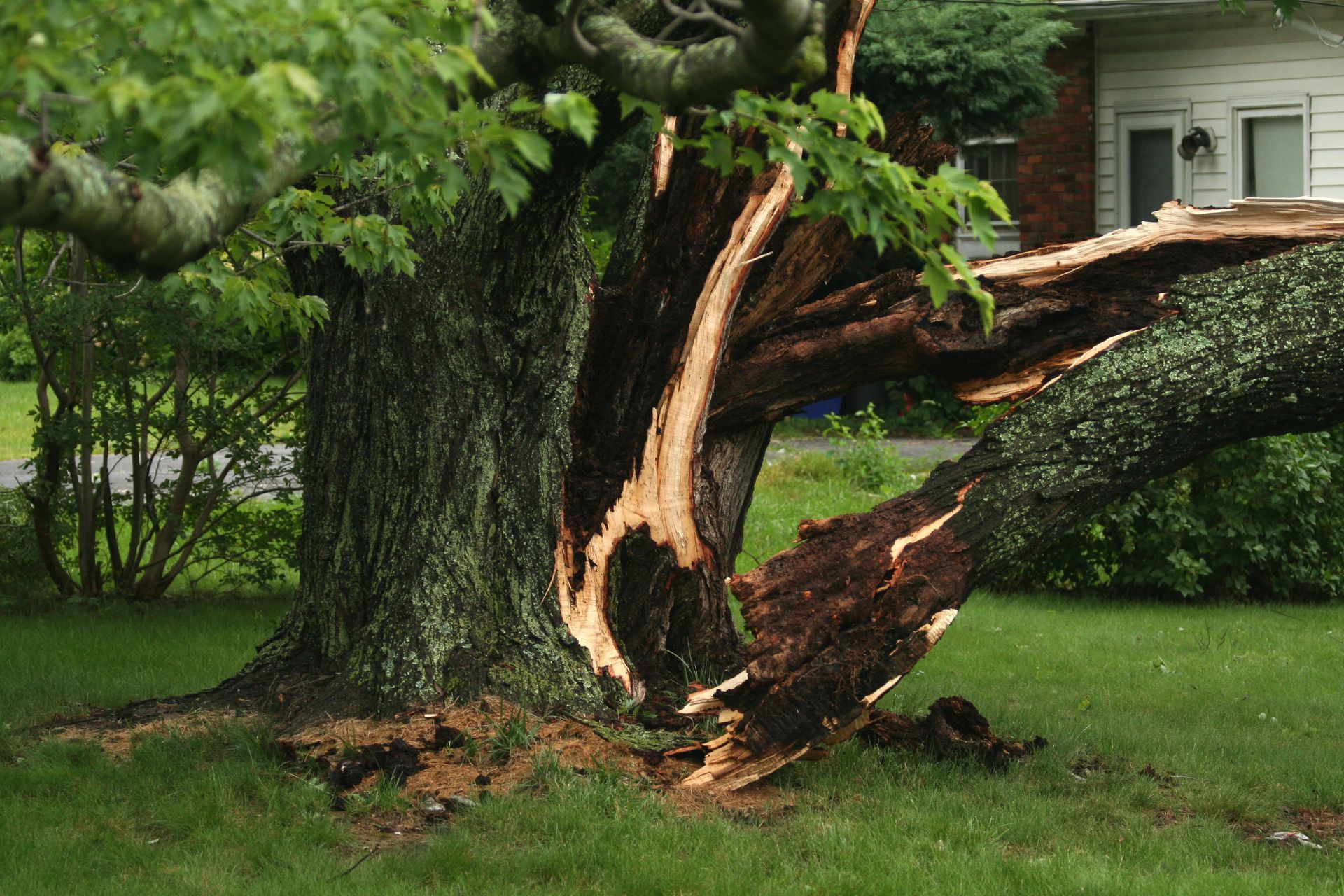
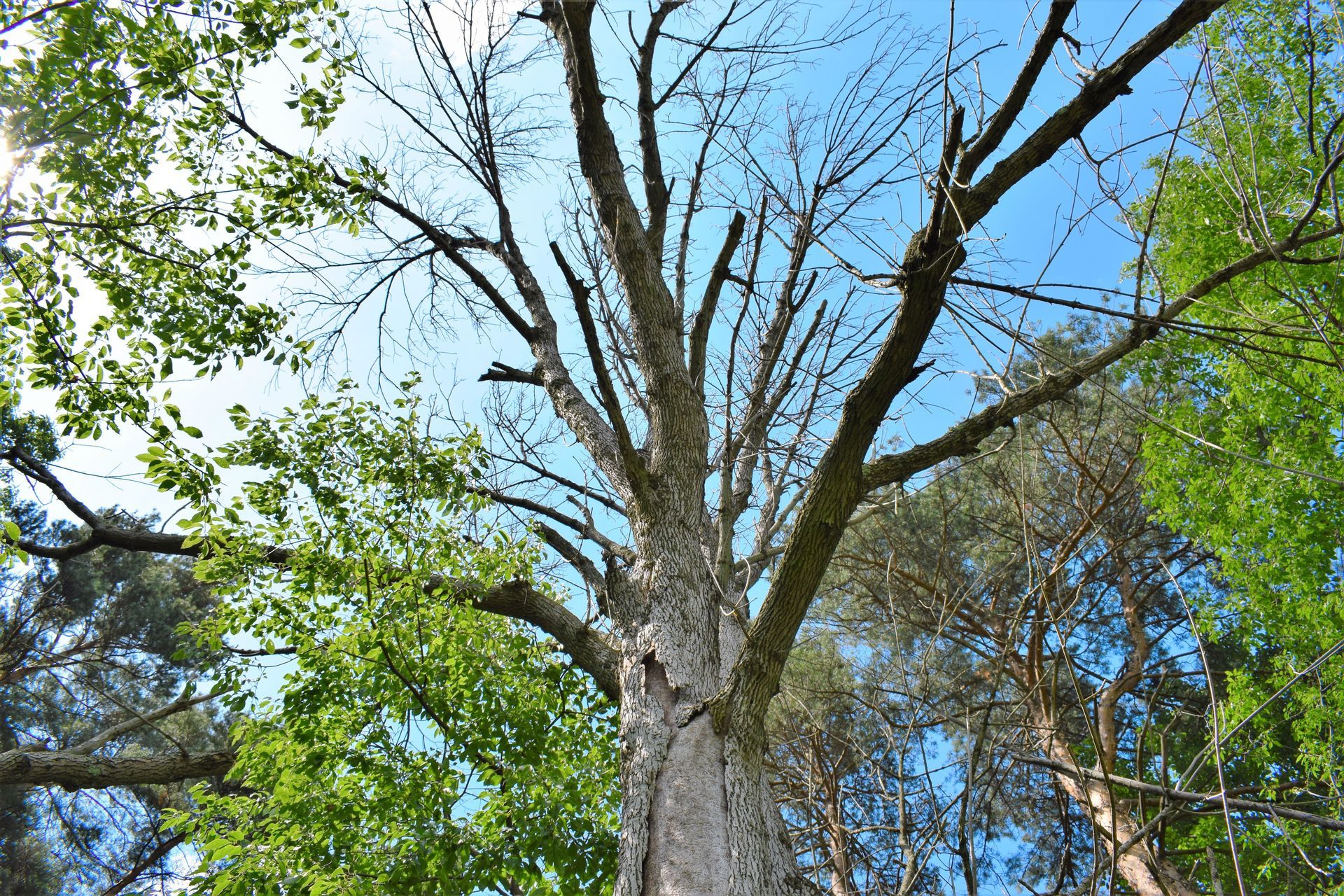
Another critical element that professionals evaluate is the overall vitality and structural integrity of the plant in question. A healthy, robust specimen that simply needs to go due to landscaping changes is fairly predictable to cut. However, an organism suffering from extensive rot, disease, or severe storm damage is incredibly unstable and poses a significant danger to the workers. Dead wood is brittle and unpredictable, meaning it could splinter or collapse unexpectedly while a worker is suspended in the canopy. To handle these volatile situations safely, crews must take extra precautions, set up advanced rigging systems, and sometimes work at a much slower, more deliberate pace. This increased risk and extended timeline inevitably add to the overall cost of the project. Sometimes, the damage is not entirely visible from the canopy alone. According to the University of Maryland Extension, a tree should likely be removed if more than 50% of its root system is damaged. When the structural foundation is compromised to that extent, the risk of a spontaneous fall increases exponentially. Dealing with such hazardous conditions requires extreme expertise and care. When you bring in a specialized tree removal service to handle a dangerous or dying specimen, you are paying for their ability to manage that risk safely and effectively.
Navigating the Challenges of Location and Accessibility
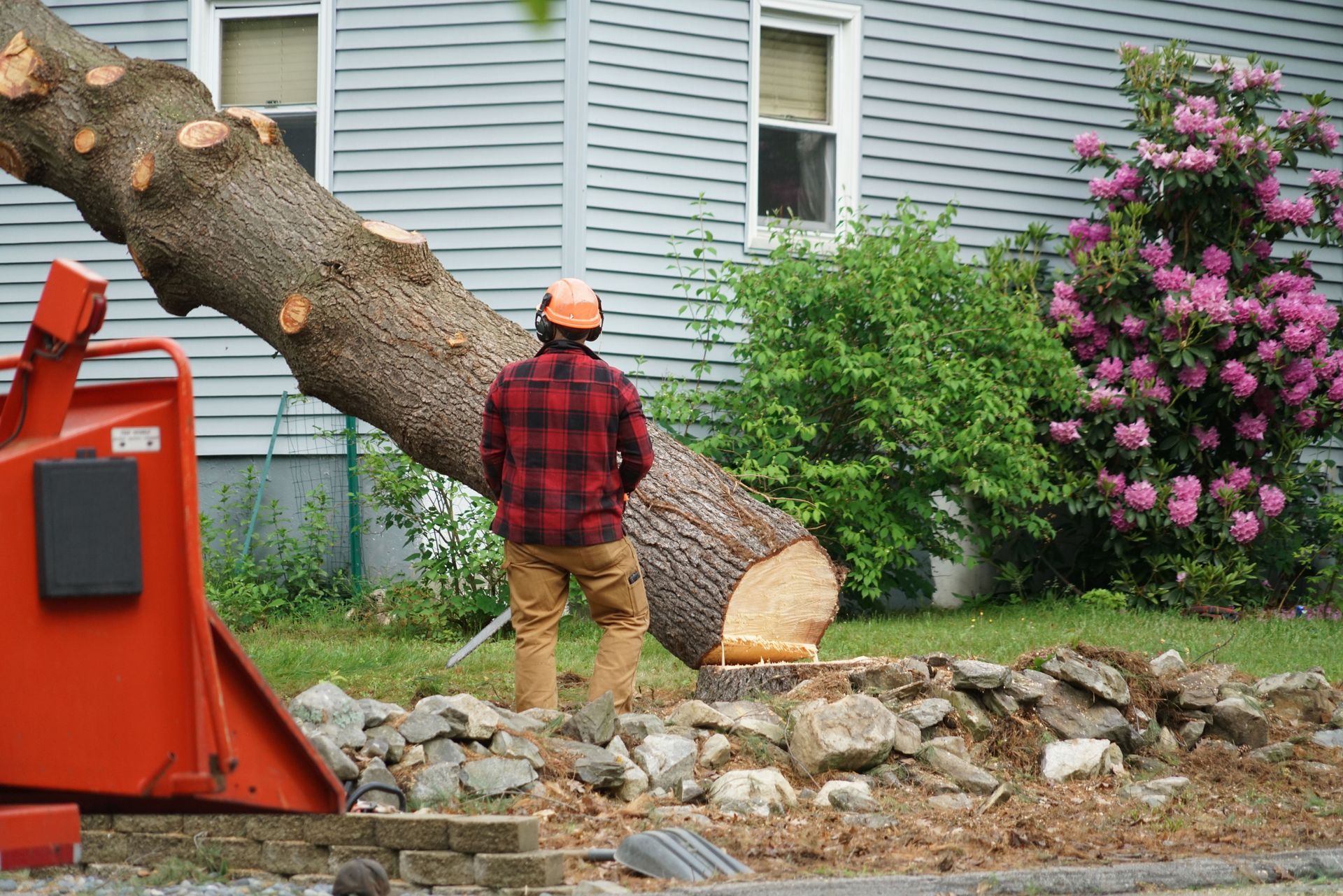
Where the plant is situated on your property is just as important as how tall or wide it happens to be. A project located in the middle of a wide, open pasture is relatively straightforward because trucks, chippers, and cranes can drive right up to the work zone. There is plenty of space to let branches fall safely to the earth. In contrast, a project squeezed into a tight suburban backyard presents a logistical nightmare. If the specimen is looming over your roof, tangled in overhead power lines, or pressing against your neighbor's fence, the crew must act with pinpoint precision. They cannot simply let heavy limbs drop; every single piece must be tied off and slowly lowered to avoid destroying the structures below. Furthermore, if the crew cannot back their heavy equipment directly up to the site, they will have to carry everything by hand. Hauling heavy sections of wood across a long, narrow side yard takes an immense amount of physical energy and time. This extended manual labor directly impacts your budget. A reputable tree removal service will always walk your property during the initial consultation to map out exactly how they will access the site and safely extract the debris.
Factoring in the Debris Cleanup and Stump Grinding
Cutting the structure down to the ground is only the first half of the entire operational process. Once the heavy lifting is done, your yard will likely be covered in an enormous pile of branches, leaves, and heavy logs. Cleaning up this mess is an intensive part of the job that requires heavy-duty wood chippers and large hauling trucks. Most comprehensive estimates include the cost of clearing all this brush away so your yard is left looking pristine. However, one element that is frequently overlooked by homeowners is the stump left behind in the earth. Getting rid of the stump requires an entirely different piece of heavy machinery called a stump grinder. Leaving the stump might save a small amount of money upfront, but it can create an eyesore and a potential tripping hazard in your yard. When you book a top-tier tree removal service, you should always ask whether their quote includes the final grinding and the hauling of the leftover wood chips so you are not caught off guard by the final invoice.
Understanding the Impact of Permits and Regulations
Depending on exactly where you live, you might have to navigate a maze of local municipal codes before a single chainsaw can be fired up. Many cities and homeowner associations have strict environmental regulations designed to protect the local urban canopy. In these areas, you cannot simply cut down anything you want, even if it is on your own private property. You may be required to apply for a specialized permit from your city's environmental or zoning department. Navigating this bureaucratic process takes time, and the permits themselves often come with their own filing fees that must be factored into your total budget. In some cases, the city might require an official inspection by a certified municipal arborist to verify that the plant is diseased, dead, or poses a legitimate hazard before they will approve the paperwork. A knowledgeable tree removal service will typically help you understand these local regulations, and some will even file the necessary paperwork on your behalf to ensure the entire project is completely compliant with local municipal codes.
While the costs associated with these large-scale projects can sometimes feel daunting, understanding the variables makes the process much more transparent. Everything from the overall height and health of the specimen to the accessibility of your yard and local municipal regulations will play a distinct role in shaping your final estimate. Investing in professional expertise ensures that the job is handled safely, efficiently, and with the utmost respect for your surrounding property. Never compromise on safety or quality when dealing with hazardous heavy labor. If you are facing a complicated landscaping challenge and need a reliable tree removal service to clear your yard safely, you need a team you can trust to get the job done right. Call Paul's Tree Service today to learn more about how we can protect your property and keep your landscape looking beautiful all year round.